
Introduction
Expanding into new markets is an important milestone for any growing business. Whether the goal is to reach customers in new states, introduce products to wider audiences, or increase operational capacity, businesses must ensure they are prepared for the additional regulatory and operational requirements that come with expansion.
Without proper compliance planning, businesses may face challenges such as regulatory issues, tax-related complications, difficulties in interstate transactions, and disruptions to business operations. These challenges can slow growth and create obstacles when entering new markets.
One of the key steps in preparing for expansion is obtaining GST Registration. A properly registered business is better positioned to manage tax compliance, conduct interstate trade, maintain financial transparency, and build credibility with customers, suppliers, and business partners. By creating a structured compliance framework, GST registration can help businesses establish a strong foundation for sustainable growth and market expansion.
Understanding GST Registration and Business Expansion
As businesses grow and enter new markets, maintaining proper tax compliance becomes increasingly important. GST registration plays a key role in helping businesses operate within the formal economy while supporting expansion and long-term growth objectives.
What Is GST Registration?
GST Registration process through which a business obtains a unique Goods and Services Tax Identification Number (GSTIN) and becomes registered under the GST framework. It enables businesses to collect GST, issue tax invoices, and comply with applicable tax regulations.
- Provides formal recognition under the GST system.
- Required for businesses that meet prescribed turnover thresholds and other eligibility criteria.
- Enables the collection and payment of GST on taxable supplies.
- Supports proper invoicing and tax reporting practices.
- Helps maintain compliance with applicable tax regulations.
Why GST Registration Matters During Expansion
GST registration becomes increasingly important as businesses expand their operations beyond their existing markets. A registered business is better equipped to manage tax obligations and maintain compliance while serving a larger customer base.
It helps businesses conduct transactions within a recognised tax framework, reducing potential regulatory issues that could arise during expansion. This creates greater operational stability as the business grows.
GST registration also supports smoother interstate transactions, allowing businesses to supply goods and services across different states while complying with applicable tax requirements.
By maintaining proper GST compliance, businesses can reduce compliance-related risks, improve credibility, and create a stronger foundation for sustainable market expansion.
How GST Registration Supports Market Expansion
As businesses expand into new markets, maintaining efficient tax compliance and operational processes becomes increasingly important. GST registration can support growth by helping businesses manage interstate transactions, strengthen credibility, improve financial transparency, and create opportunities for larger commercial engagements.
Enables Interstate Business Operations
GST registration can make it easier for businesses to expand beyond their existing geographical boundaries and serve customers in multiple states.
- Enables the sale of goods and services across different states.
- Supports access to a wider customer base and new markets.
- Simplifies tax compliance for interstate transactions.
- Reduces complications associated with geographical expansion.
- Helps businesses manage growth across multiple locations more efficiently.
Builds Business Credibility
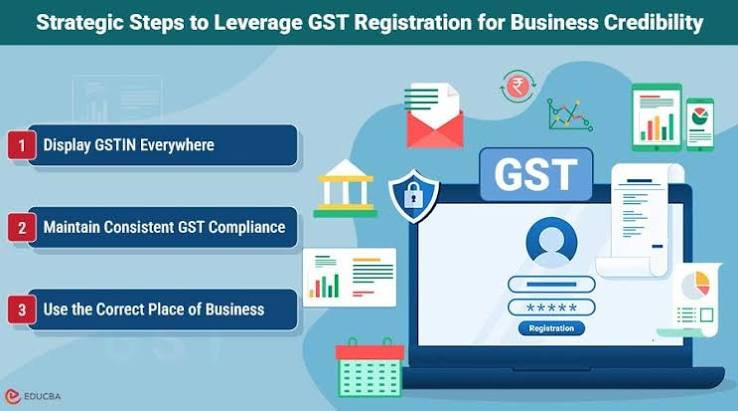
GST registration can strengthen a company’s credibility when entering new markets. Customers, suppliers, and business partners often prefer working with businesses that operate within a recognised compliance framework. This can help create confidence and improve business relationships.
A GST-registered business is also generally perceived as more professional and reliable. This enhanced reputation can support market entry efforts, improve stakeholder trust, and contribute to long-term business growth.
Supports Larger Business Opportunities
As businesses expand, GST registration can help them qualify for opportunities that may not be easily accessible to unregistered businesses.
- Helps meet compliance expectations of corporate clients.
- Improves eligibility for B2B transactions and partnerships.
- Supports participation in larger commercial projects.
- Enhances acceptance during vendor onboarding processes.
- Creates opportunities for long-term business relationships.
Improves Financial Transparency
Maintaining financial transparency becomes increasingly important during business expansion. GST registration encourages organised financial management and better visibility into business activities.
Proper GST compliance supports accurate record-keeping and helps maintain a clear history of transactions. This can improve financial monitoring and support informed decision-making as the business grows.
Facilitates Better Tax Management
- Enables businesses to claim eligible Input Tax Credit benefits.
- Helps reduce the overall tax burden on business operations.
- Supports accurate tax reporting and compliance.
- Improves operational efficiency through structured tax management.
- Reduces the risk of tax-related issues during expansion.
Role of Company Registration Alongside GST Registration
Company registration and GST registration work together to create a strong framework for business growth, compliance, and expansion. Together, they help businesses build credibility, improve operational efficiency, and prepare for future opportunities.
Creates a Strong Business Foundation
- Establishes a recognised legal identity through company registration.
- Provides a structured framework for business operations and management.
- Supports organised decision-making and governance practices.
- Helps businesses prepare for future expansion activities.
- Creates stability for long-term business development.
Improves Stakeholder Confidence
- Combines legal registration with GST compliance to strengthen credibility.
- Increases trust among customers, suppliers, and business partners.
- Demonstrates commitment to regulatory compliance and transparency.
- Enhances confidence among investors and financial institutions.
- Supports stronger professional and commercial relationships.
Supports Long-Term Growth Planning
- Improves readiness for scaling business operations.
- Helps manage increasing compliance responsibilities effectively.
- Supports expansion into new markets and customer segments.
- Encourages better planning and risk management practices.
- Creates a foundation for sustainable long-term growth.
GST Compliance Practices for Expansion-Ready Businesses
Strong GST compliance practices can help businesses manage growth more effectively while reducing operational and regulatory risks during expansion.
Maintain Accurate Records
Maintaining accurate records is an essential part of GST compliance. Businesses should keep organised sales and purchase documentation, GST invoices, and other financial records to ensure accurate tax reporting and regulatory compliance.
Well-maintained records also provide greater visibility into business performance and transaction history. As the business expands into new markets, accurate documentation can support decision-making, simplify audits, and reduce the risk of compliance-related issues.
File GST Returns on Time
Timely filing of GST returns is important for avoiding penalties, interest charges, and other compliance complications. Consistent compliance helps businesses meet their legal obligations and maintain smooth operations.
Regular return filing also contributes to a positive compliance history with tax authorities. This can strengthen the business’s credibility and demonstrate responsible financial management as the organisation grows and enters new markets.
Monitor Changing GST Requirements
GST regulations and compliance requirements may change over time. Businesses should regularly monitor updates related to tax rules, filing procedures, and other regulatory developments that may affect their operations.
Staying informed allows businesses to adapt their processes and compliance practices accordingly. A proactive approach can help minimise disruptions, reduce compliance risks, and support smoother expansion into new markets.
Common Challenges Businesses Face Without GST Registration
Businesses that operate without GST registration may encounter several challenges that can affect their growth potential and ability to expand into new markets.
Limited Market Opportunities
Without GST registration, businesses may find it difficult to work with larger organisations that prefer or require GST-compliant vendors. This can limit access to valuable contracts, partnerships, and commercial opportunities.
A lack of GST registration can also affect business credibility in formal markets. Customers, suppliers, and corporate clients may view GST-registered businesses as more reliable and professionally managed.
Compliance Risks
Businesses that are required to register under GST but fail to do so may face penalties and other regulatory consequences. Compliance issues can create unnecessary operational challenges and affect business continuity.
As the business grows, these risks may become more significant. Expansion efforts can be delayed if compliance requirements are not addressed properly from the outset.
Poor Financial Visibility
Without a structured GST framework, businesses may struggle to manage increasing transaction volumes effectively. This can make financial tracking and reporting more difficult as operations expand.
The absence of organised tax records and reporting processes can also limit financial visibility. Proper GST compliance supports structured financial management, which is essential for informed decision-making and sustainable business growth.
Best Practices to Prepare for Market Expansion
Businesses planning to enter new markets should establish a strong compliance and operational framework before expanding. Following the right practices can help minimise risks and support sustainable growth.
Complete GST Registration at the Right Stage
Obtaining GST registration at the appropriate stage can help businesses prepare for growth while ensuring compliance requirements are addressed proactively.
- Obtain GST registration as soon as business activities and turnover requirements make it necessary.
- Align GST compliance efforts with long-term growth objectives.
- Prepare the business for interstate transactions and market expansion.
- Create a strong compliance foundation before scaling operations.
- Reduce the risk of regulatory issues during growth.
Combine GST Compliance With Strong Business Structure
A combination of GST compliance and a well-structured business framework can create a stronger foundation for expansion and long-term success.
- Ensure company registration and GST registration work together to support business growth.
- Build a recognised legal and tax-compliant business framework.
- Improve credibility among customers, suppliers, and business partners.
- Support efficient management of expanding operations.
- Create a foundation for long-term business development and scalability.
Seek Professional Support When Required
As businesses grow, professional guidance can help manage increasing compliance responsibilities and support smoother expansion planning.
- Obtain expert guidance for managing GST and compliance requirements.
- Address complex tax obligations and regulatory responsibilities effectively.
- Reduce the likelihood of compliance errors and operational disruptions.
- Improve planning for expansion into new markets and regions.
- Support smoother and more organised business growth.
Conclusion
GST registration plays an important role in helping businesses prepare for market expansion by creating a strong compliance framework and supporting smooth business operations. From facilitating interstate transactions and improving financial transparency to enhancing credibility and tax management, GST compliance can contribute significantly to sustainable business growth.
As businesses enter new markets and serve a larger customer base, maintaining proper GST compliance becomes increasingly important. Combining GST registration with a strong business structure and effective compliance practices can help organisations manage growth more efficiently while reducing operational and regulatory risks.
By obtaining GST registration at the right stage, maintaining ongoing compliance, and planning proactively for future growth, businesses can build a solid foundation for expansion and position themselves for long-term success in competitive markets.