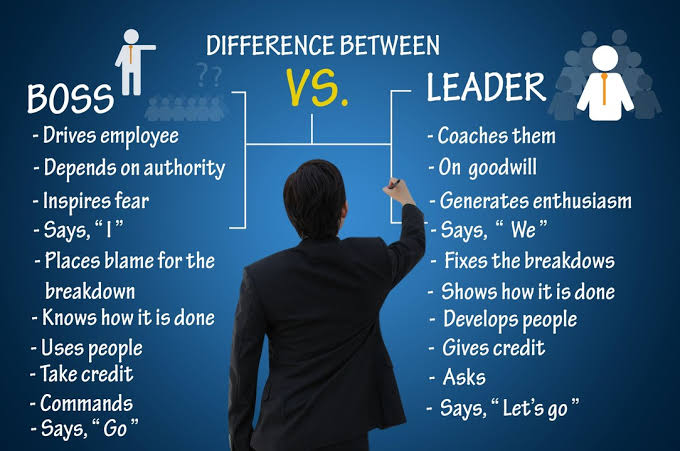

The dynamic of the modern corporate environment has shifted from top-down management to empowering organizational leadership. While the terms “boss” and “leader” are frequently used interchangeably in office discussions, they represent two fundamentally opposing approaches to management, employee engagement, and business execution. A boss relies on formal hierarchy, authority, and control to enforce compliance. Conversely, a genuine leader relies on emotional intelligence, shared vision, and trust to inspire innovation and long-term commitment.
Whether a manager is running a tech team in Silicon Valley, overseeing a remote sales force, or establishing international operations—such as completing a Hong Kong company registration to launch an offshore trading hub—the distinction between directing employees and inspiring them determines organizational longevity. A boss manages daily processes, while a leader cultivates human potential.
This comprehensive guide breaks down the core behavioral differences, communication styles, mindset shifts, and operational frameworks that separate a traditional boss from a modern leader.
1. Authority vs. Influence: Where True Power Originates
The primary difference between a boss and a leader lies in the source of their power. A boss derives influence strictly from a title, organizational chart, or corporate rank. They exercise positional power to assign tasks, demand results, and enforce company policies. Employees follow a boss out of obligation, contractual necessity, or fear of reprimand.
┌────────────────────────────────────────────────────────┐
│ THE POWER DYNAMICS SPECTRUM │
├────────────────────────────────────────────────────────┤
│ Boss (Positional Authority) │
│ └── Top-Down Hierarchy ──► Enforced Compliance │
│ │
│ Leader (Earned Influence) │
│ └── Shared Vision ───────► Voluntary Engagement │
└────────────────────────────────────────────────────────┘
In contrast, a leader earns influence through actions, integrity, empathy, and technical competence. They do not rely on a title to earn respect. Instead, they model high standards, support their team members, and demonstrate alignment with the company’s core values. When a leader requests effort on a critical initiative, employees respond with enthusiasm because they believe in the vision and trust the individual guiding them.
2. Directives vs. Collaboration: Communication and Decision-Making
Communication styles define the daily atmosphere of any workplace. Bosses typically communicate through one-way directives. They tell staff what to do, how to do it, and when it must be finished, leaving little room for dialogue or alternative approaches. This autocratic management style limits creative problem-solving and conditions workers to wait for instructions rather than taking initiative.
| Management Dimension | The Traditional Boss | The Modern Leader |
| Primary Communication | One-way directives & instructions | Open, two-way collaborative dialogue |
| Decision-Making | Centralized & autocratic | Inclusive, participatory & team-driven |
| Response to Ideas | Skeptical, protective of status quo | Receptive, growth-oriented & encouraging |
| Problem Resolution | Assigns blame & demands compliance | Analyzes root causes & seeks solutions |
Leaders favor open, two-way collaboration. They ask open-ended questions, listen actively to feedback, and encourage diverse perspectives. When faced with a complex operational challenge, a leader brings the team together to brainstorm, leveraging collective intelligence rather than assuming they have every answer.
3. Short-Term Tasks vs. Long-Term Vision in Business Execution
Operationally, a boss focuses on immediate outputs and short-term metrics. They monitor daily activity logs, enforce rigid schedules, and prioritize immediate task execution above all else. While task management keeps day-to-day operations moving, an exclusive focus on short-term quotas can lead to employee burnout, high turnover, and strategic myopia.
[Strategic Approach Comparison]
├── Boss: Task Assignment ──► Quota Check ──► Short-Term Output
└── Leader: Shared Vision ──► Capability Building ──► Scalable Growth
Leaders balance operational execution with long-term strategic vision. They ensure that every team member understands why their individual tasks matter to the broader company mission. When scaling a business internationally—such as completing a Hong Kong company registration to establish a global trade entity—a leader aligns team efforts with regulatory compliance, international tax structures, and long-term market entry strategies rather than merely tracking daily administrative checklists.
4. Blame and Control vs. Accountability and Empowerment
How a supervisor reacts to mistakes reveals whether they operate as a boss or a leader. When a project fails or a deadline is missed, a boss seeks a scapegoat. They assign blame, issue reprimands, and tighten control through micromanagement. This creates a culture dominated by fear, where employees conceal errors rather than addressing them openly.
The Leader’s Approach to Mistakes and Ownership
- Takes Ultimate Responsibility: When things go wrong, leaders publicly take ownership of the failure, shielding their team from unfair external criticism.
- Extracts Learning Lessons: They treat setbacks as valuable teaching moments, conducting objective post-mortems to adjust processes.
- Empowers Autonomous Execution: Leaders delegate authority alongside responsibility, trusting employees to make decisions within their domains.
By delegating ownership and removing fear from the workspace, leaders cultivate psychological safety. This environment empowers staff to take calculated risks that drive business innovation.
5. Employee Mentorship, Skill Growth, and Career Advancement
A boss views employees as resources or headcount used to accomplish specific tasks. They focus on current capacity, expecting workers to perform existing routines without investing in their professional development. Consequently, top-tier talent under a boss often feels stagnant, undervalued, and inclined to seek career progression elsewhere.
┌────────────────────────────────────────────────────────┐
│ TALENT DEVELOPMENT CONTINUUM │
├────────────────────────────────────────────────────────┤
│ Boss: Transactional Execution │
│ └── Focus on Fixed Skillsets ──► High Turnover │
│ │
│ Leader: Transformational Mentorship │
│ └── Continuous Career Growth ──► High Retention │
└────────────────────────────────────────────────────────┘
Leaders view their team members through the lens of potential. They act as mentors and coaches, identifying individual strengths and aligning assignments with professional growth goals. Leaders actively provide constructive feedback, sponsor training opportunities, and celebrate team member achievements. They recognize that developing stronger, more autonomous team members ultimately strengthens the entire enterprise.
6. Corporate Governance, Legal Infrastructure, and Operational Support
Inspirational leadership must be anchored by strong operational governance and legal frameworks. A great leader recognizes that creative freedom, employee growth, and business expansion require solid legal and administrative structures behind the scenes.
Bridging Leadership with Structural Compliance
Navigating corporate governance, statutory reporting, and international expansion mandates careful planning. Effective business leaders build operational stability by establishing compliant legal structures.
- Corporate Integrity: Fulfilling statutory requirements, local labor laws, and corporate governance standards transparently.
- Global Entity Structuring: Executing formal steps—such as securing a Hong Kong company registration—to provide global teams with legitimate banking access, local employment compliance, and foreign capital pathways.
By taking care of legal, financial, and regulatory infrastructure, leaders shield their employees from administrative turmoil, creating a stable platform where teams can focus entirely on high-impact work.
7. Practical Roadmap: Transitioning from a Boss Mindset to a Leader Mindset
Shifting from an authoritative manager to an influential leader requires self-awareness and deliberate practice. Below is a sequential framework for managers looking to evolve their leadership style.
1.Shift from Command to Collaboration:Replace directives with active listening.
Stop giving answers immediately. In team discussions, ask open questions first, listen to your team’s input, and involve them in decision-making.
2.Eliminate Micromanagement:Focus on output and trust over presence.
Set clear Objectives and Key Results (OKRs). Give team members the autonomy to choose their path to execution while providing support when roadblocks arise.
3.Prioritize Team Mentorship:Constructive feedback and coaching.
Schedule regular 1-on-1 check-ins focused on career aspirations, skill development, and employee well-being rather than short-term project status updates.
4.Strengthen Operational Foundations:Establish compliant business foundations.
Build a secure operational foundation for your team. Handle regulatory obligations—such as carrying out a Hong Kong company registration—to ensure stable international business operations.
Frequently Asked Questions (FAQs)
What are the main differences between a boss and a leader?
A boss relies on positional power, directives, and micromanagement to enforce compliance and short-term output. A leader relies on influence, collaboration, empathy, and vision to inspire long-term engagement, innovation, and personal growth.
Can a manager be both a boss and a leader?
Yes. Every manager holds formal authority, but how they exercise that authority determines their impact. Effective managers combine necessary administrative oversight with genuine leadership behaviors like coaching, active listening, and strategic alignment.
How does a boss-driven environment affect employee turnover?
Boss-driven environments marked by high control, blame, and micromanagement frequently suffer from elevated turnover rates, employee burnout, and lower productivity. Employees under controlling bosses often leave due to a lack of autonomy and career progression.
Why is corporate compliance essential for visionary leaders?
Visionary leadership requires a stable organizational base. Ensuring compliance—such as completing a Hong Kong company registration for overseas business setups—protects the organization from fines and provides the legal infrastructure required to support teams globally.
How can someone transition from being a boss to a leader?
Transitioning requires shifting from a mindset of control to one of empowerment. Managers can start by seeking regular feedback, practicing active listening, delegating key decisions, taking responsibility for mistakes, and investing in team career development.
Conclusion: Developing Visionary Leadership for Sustainable Growth
Understanding the difference between a boss and a leader is essential for organizational success. While a boss maintains control and enforces short-term compliance, a leader inspires vision, fosters collaboration, and builds high-performing teams capable of navigating complex markets.
Building a culture of leadership requires aligning day-to-day team engagement with strong operational foundations. Whether mentoring direct reports, establishing psychological safety, or expanding cross-border business infrastructure—such as completing a Hong Kong company registration—effective leaders lead with integrity, empathy, and strategic clarity.
By giving up micromanagement and embracing mentorship, modern managers can transform into true leaders who elevate their teams and drive lasting business impact.