
Introduction
Effective money management is one of the most important life skills that helps individuals achieve financial stability, reduce stress, and build long-term wealth. In simple terms, it refers to how you plan, organize, spend, and save your money in a smart and controlled way. Without proper financial planning, even a high income can feel insufficient due to poor spending habits and lack of direction.
For beginners, understanding effective money management can feel overwhelming at first, but once the basics are clear, it becomes a powerful habit that improves every aspect of life. Whether you are a student, working professional, or business owner, managing money wisely ensures that you are always prepared for unexpected expenses and future goals.
In this guide, we will explore what effective money management really means, why it is important, and how you can apply it in your daily life. You will also learn practical steps, benefits, risks, common mistakes, and expert tips that can help you take control of your financial journey. By the end, you will have a clear roadmap to build strong financial habits and achieve long-term financial success through effective money management.
What is Effective Money Management?
Effective money management refers to the process of planning and controlling your income and expenses in a way that ensures financial stability and growth. It involves tracking where your money comes from and where it goes, so you can make better financial decisions.
At its core, effective money management is about balance. You must earn, spend, save, and invest wisely. It is not just about saving money but also about using it in a meaningful and productive way.
For example, someone practicing effective money management will create a monthly budget, set financial goals, avoid unnecessary debt, and regularly save for emergencies. This helps in reducing financial pressure and building confidence in handling money.
In modern life, effective money management is essential because expenses are constantly increasing. Without proper control, it becomes easy to fall into financial stress. However, with discipline and planning, anyone can master this skill and improve their financial future.
Why is Effective Money Management Important?
Effective money management plays a vital role in ensuring financial security and peace of mind. One of the biggest reasons it is important is that it helps you stay in control of your finances instead of letting your finances control you.
When you practice effective money management, you are better prepared for emergencies such as medical bills, job loss, or unexpected repairs. It also helps you avoid unnecessary debt and build savings for future goals like buying a home, education, or retirement.
Another key reason is financial discipline. Without proper planning, people often overspend and struggle to save money. Effective money management encourages responsible spending habits and ensures that your needs are prioritized over wants.
Moreover, it helps in achieving long-term financial independence. By consistently following smart financial practices, you can build wealth over time and enjoy a stress-free financial life. It also improves decision-making because you clearly understand your financial limits and priorities.
Detailed Step-by-Step Guide
Step 1: Track Your Income and Expenses
The first step in effective money management is understanding your financial situation. Track all sources of income and record every expense, no matter how small. This helps you identify spending patterns.
Step 2: Create a Budget Plan
A budget is the foundation of effective money management. Divide your income into categories such as needs, savings, and wants. Make sure essential expenses are covered first.
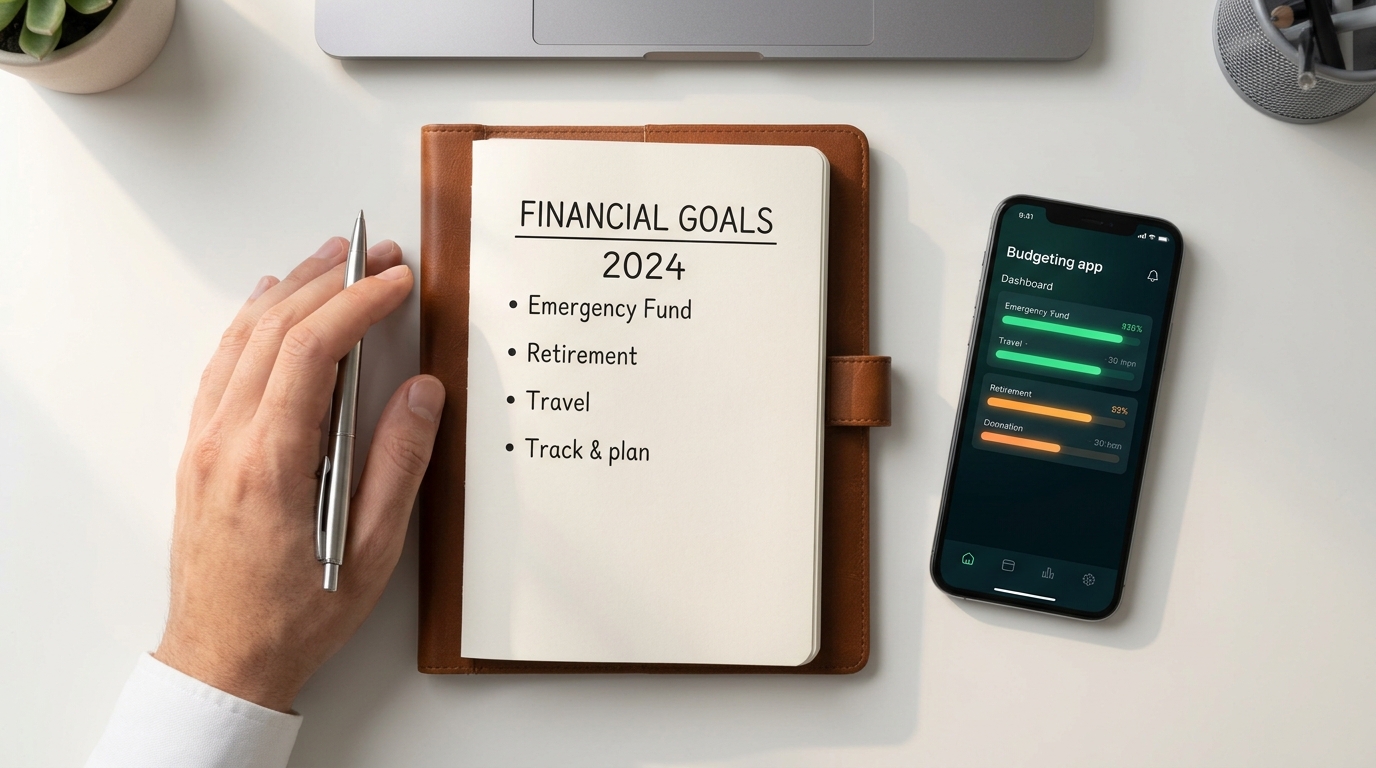
Step 3: Set Financial Goals
Set short-term and long-term goals. Short-term goals may include saving for a gadget, while long-term goals may include buying a house or retirement planning.
Step 4: Build an Emergency Fund
An emergency fund protects you from financial shocks. Aim to save at least 3–6 months of living expenses for emergencies.
Step 5: Reduce Unnecessary Spending
Identify non-essential expenses and reduce them. Small savings can make a big difference over time in effective money management.
Step 6: Start Saving and Investing
Saving is important, but investing helps grow your money. Explore safe investment options based on your risk level.
Step 7: Review and Adjust Regularly
Your financial situation changes over time. Regularly review your budget and adjust it according to your needs and goals.
Benefits of Effective Money Management
- Helps achieve financial stability and security
- Reduces stress related to money problems
- Encourages disciplined spending habits
- Builds strong savings for future needs
- Supports long-term financial independence
- Helps in avoiding unnecessary debt
- Improves financial decision-making skills
Disadvantages / Risks
- Requires discipline and consistency
- May feel restrictive at the beginning
- Needs time to track and manage finances
- Mistakes in budgeting can affect planning
- Over-saving may reduce current lifestyle enjoyment
- Investment risks if not properly researched
Common Mistakes to Avoid
One of the most common mistakes in effective money management is not tracking expenses. Without knowing where your money goes, it becomes difficult to control spending.
Another mistake is ignoring savings. Many people focus only on spending and forget to save for the future. This leads to financial insecurity during emergencies.
Overusing credit cards is also a major issue. It creates debt that becomes difficult to manage over time. People also fail to set clear financial goals, which leads to random spending without direction.
Lastly, not reviewing your financial plan regularly can cause problems. Your income and expenses change, so your financial strategy should also be updated accordingly.
FAQs
1. What is effective money management in simple words?
Effective money management means planning and controlling your income and expenses wisely to achieve financial stability and goals.
2. Why is effective money management important for beginners?
It helps beginners understand their spending habits, avoid debt, and build strong financial discipline from the start.
3. How can I start effective money management?
Start by tracking income and expenses, creating a budget, and setting clear financial goals.
4. Is saving part of effective money management?
Yes, saving is a key part of effective money management because it ensures financial security for future needs.
5. Can effective money management help reduce debt?
Yes, by controlling spending and planning finances, it helps avoid and reduce unnecessary debt.
6. Do I need financial knowledge for effective money management?
Basic knowledge is enough to start. Over time, you can learn and improve your financial skills.
Expert Tips & Bonus Points
Experts suggest that consistency is the key to effective money management. Even small savings every month can lead to big financial growth over time.
Another important tip is to automate savings. This ensures that a portion of your income is saved before you spend it.
It is also recommended to avoid emotional spending. Many financial mistakes happen when decisions are made based on emotions rather than logic.
Diversifying investments is another expert strategy. It reduces risk and increases the chances of stable returns.
Finally, always keep learning about personal finance to improve your understanding of effective money management.
Conclusion
Effective money management is not just a financial habit, it is a lifestyle that leads to long-term stability and success. When you understand how to control your income and expenses, you gain full control over your financial future.
By practicing effective money management, you can reduce stress, avoid debt, and build a strong foundation for financial independence. It helps you make smarter decisions and prepares you for both expected and unexpected financial situations.
Although it requires discipline and consistency, the benefits are long-lasting and life-changing. From budgeting to saving and investing, every step plays an important role in shaping your financial journey.
If you start applying these principles today, you will gradually see improvements in your financial health. Remember, effective money management is not about how much you earn, but how wisely you use what you have.