
Introduction
Managing money wisely has become more important than ever in today’s fast-paced world where expenses keep increasing and income often feels limited. The good news is that technology has made it easier to stay in control of your finances. With the right tools, anyone can improve spending habits, track expenses, and build a strong savings plan without feeling overwhelmed. The concept of 7 Best Tools for Managing Money on a Budget and Saving is especially helpful for beginners and intermediate users who want practical solutions without complicated financial knowledge.
Using smart budgeting tools helps you understand where your money goes every month and how you can reduce unnecessary spending. Whether you are saving for a goal, paying off debt, or simply trying to avoid overspending, these tools offer structure and clarity. Instead of guessing or relying on memory, you get real-time data that supports better decisions.
In this guide, you will explore the most effective tools that help you manage money efficiently. These tools are designed to simplify budgeting, automate savings, and give you full control over your financial life. By the end, you will have a clear understanding of how to use them to improve your financial stability and build long-term savings habits.
What is Money Management on a Budget?
Money management on a budget refers to the process of planning how you earn, spend, and save your income within a fixed limit. It involves tracking expenses, setting financial goals, and ensuring that your spending does not exceed your income. The main idea behind budgeting is control and awareness.
In simple terms, it is about telling your money where to go instead of wondering where it went. When you use budgeting tools, this process becomes easier and more accurate. These tools help categorize your expenses, highlight unnecessary spending, and show opportunities for saving. With consistent use, you can develop strong financial discipline and avoid financial stress.
Why is Budget Money Management Important?

Budget money management plays a key role in achieving financial stability and long-term success. Without a clear plan, it is easy to overspend and fall into debt. Budgeting ensures that every dollar has a purpose, whether it is for necessities, savings, or investments.
Another important reason is financial security. When you manage your money properly, you are better prepared for emergencies such as medical expenses or job loss. It also helps you reach personal goals like buying a home, traveling, or building an emergency fund. Ultimately, budgeting gives you peace of mind and confidence in your financial future.
Detailed Step-by-Step Guide to Using Money Management Tools
Step 1: Identify Your Financial Goals
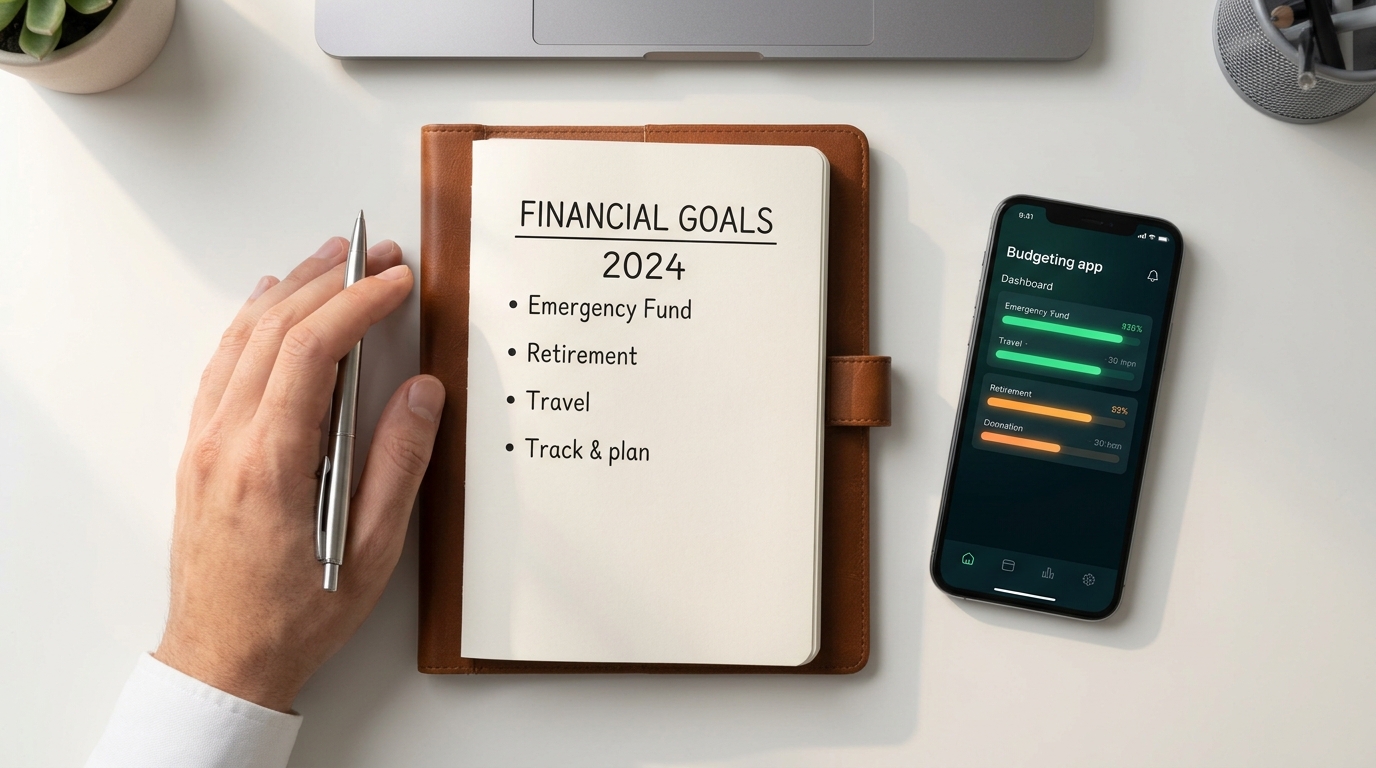
Before using any tool, you need to define what you want to achieve. Your goals can include saving money, reducing debt, or improving monthly budgeting. Clear goals help you choose the right features in a tool.
Write down both short-term and long-term goals. This makes it easier to track progress and stay motivated.
Step 2: Choose the Right Budgeting Tool
Selecting the right tool is crucial for success. There are several apps and platforms available that help manage expenses and savings. Look for features like expense tracking, budget creation, and financial reports.
Make sure the tool is easy to use and fits your lifestyle. Some people prefer mobile apps, while others prefer desktop platforms.
Step 3: Connect Your Income and Expenses
Once you select a tool, link your income sources and monthly expenses. This allows the system to automatically track your financial activity.
Most tools categorize spending into food, bills, transport, and entertainment. This helps you understand where most of your money is going.
Step 4: Set a Monthly Budget
Create a realistic budget based on your income. Divide your money into categories such as savings, essentials, and discretionary spending.
Stick to your limits and adjust when necessary. The tool will help you stay on track by sending alerts or reminders.
Step 5: Track and Analyze Spending
Monitoring your expenses regularly is important. Review weekly or monthly reports to see your spending patterns.
This helps you identify unnecessary expenses and improve financial habits over time.
Benefits of Money Management Tools
- Helps track every expense accurately
- Encourages better saving habits
- Reduces financial stress and confusion
- Improves long-term financial planning
- Provides clear insights into spending patterns
- Helps avoid overspending and debt
- Automates budgeting process for convenience
Disadvantages / Risks of Money Management Tools
- Requires consistent usage for best results
- Some tools may have premium features
- Data privacy concerns in some apps
- Can be overwhelming for beginners initially
- Dependence on technology for financial tracking
- Requires internet access for real-time updates
Common Mistakes to Avoid
One of the most common mistakes is ignoring budgeting consistency. Many users start strong but stop using the tool after a few weeks. This reduces effectiveness and leads to poor financial control.
Another mistake is setting unrealistic budgets. If your budget is too strict, it becomes difficult to follow. Always create practical limits that match your lifestyle and income.
FAQs About Money Management Tools
1. What are money management tools?
Money management tools are apps or software designed to help track income, expenses, and savings. They simplify budgeting and improve financial control.
2. Are budgeting tools safe to use?
Yes, most reputable tools use encryption and security systems to protect user data. However, it is important to choose trusted platforms.
3. Can beginners use these tools easily?
Yes, most modern tools are designed for beginners with simple interfaces and automatic tracking features.
4. Do these tools really help save money?
Yes, they help identify unnecessary spending and encourage better financial habits, which leads to increased savings over time.
5. Are free budgeting tools effective?
Free tools are often very effective for basic budgeting needs. However, premium versions may offer advanced features.
6. How long does it take to see results?
You can start noticing improvements in spending habits within a few weeks of consistent use.
Expert Tips & Bonus Points
Experts recommend reviewing your budget at least once a week. This keeps you aware of your financial situation and helps you adjust quickly if needed.
Another useful tip is to automate savings. Many tools allow automatic transfers to savings accounts, making it easier to build wealth without extra effort. Also, always compare your actual spending with your planned budget to identify gaps and improve discipline.
Conclusion
Managing money effectively is not just about earning more; it is about using what you already have wisely. The 7 Best Tools for Managing Money on a Budget and Saving provide a practical way to take control of your finances without stress or confusion. These tools help you track expenses, set goals, and build strong saving habits that last long term.
By using budgeting tools consistently, you can transform your financial life. Instead of worrying about unexpected expenses or running out of money, you gain clarity and confidence. Small improvements in your daily financial decisions can lead to major long-term benefits.
Whether you are just starting your financial journey or looking to improve existing habits, these tools offer a simple and effective solution. The key is consistency and discipline. Once you make budgeting a habit, financial stability becomes much easier to achieve.