
Introduction
A strong financial life always starts with understanding how your money moves every month. Without a clear system, it becomes very easy to overspend, save less, and feel stressed about finances. That is why learning how to build a realistic spending plan is one of the most important skills for beginners and even intermediate earners. A spending plan is not about limiting your lifestyle; instead, it is about giving every rupee or dollar a purpose so you stay in control of your money. When you create a proper structure for income and expenses, you naturally reduce financial confusion and improve saving habits.
Many people think budgeting is complicated, but in reality, it is simply organizing your income into clear categories like needs, savings, and wants. Once you understand how to build a realistic spending plan, you can avoid debt, prepare for emergencies, and reach your financial goals faster. In this guide, you will learn practical steps, real-life examples, and expert tips that make budgeting simple and effective. Whether your income is small or large, this system can help you manage it better. The goal is not perfection but consistency, so you can build a stable financial future without stress.
What is a Realistic Spending Plan?
A realistic spending plan is a structured way of managing your income by dividing it into essential categories like bills, savings, and personal expenses. Unlike a strict budget that feels restrictive, a spending plan is flexible and adjusts to your real-life needs. It helps you decide in advance where your money should go instead of guessing every month.
When people learn how to build a realistic spending plan, they understand that it is more about awareness than restriction. It shows your financial priorities clearly and helps you track whether you are spending more than you earn. This system is used by individuals, families, and even businesses to maintain financial stability and avoid unnecessary debt.
Why is a Realistic Spending Plan Important?

A spending plan is important because it gives structure to your financial life. Without it, you may earn money but still struggle to save or manage expenses properly. One of the biggest reasons people face financial stress is the lack of planning.
When you understand how to build a realistic spending plan, you gain control over your financial decisions. It helps reduce impulsive spending and improves your ability to save for future goals like education, travel, or emergencies. It also prepares you for unexpected expenses without causing panic.
Another important benefit is that it improves discipline. When every rupee has a purpose, you naturally become more responsible with money. Over time, this leads to financial freedom and stability, which is the ultimate goal of personal finance.
Detailed Step-by-Step Guide
Step 1: Calculate Your Total Monthly Income
The first step in learning how to build a realistic spending plan is understanding your income. This includes your salary, freelance earnings, business profits, or any other regular source of money. You should calculate your net income, which is the amount you receive after taxes or deductions.
It is important to be accurate here because your entire spending plan depends on this number. If your income varies, take an average of the last three months to create a more stable estimate.
Step 2: List All Your Expenses
Next, write down all your monthly expenses. These include fixed expenses like rent, electricity, internet, and loan payments, as well as variable expenses like food, travel, and entertainment.
When you are learning how to build a realistic spending plan, this step helps you see where your money actually goes. Many people are surprised when they track their expenses for the first time because small daily spending adds up quickly.
Step 3: Categorize Your Spending
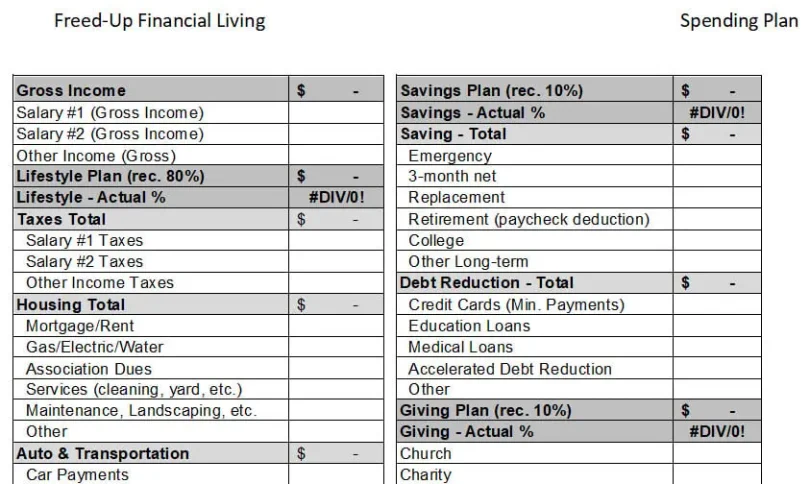
Now divide your expenses into three main categories: needs, wants, and savings. Needs include essential expenses you cannot avoid. Wants include lifestyle choices like shopping or dining out. Savings include money set aside for future goals.
This structure is a key part of how to build a realistic spending plan because it helps you prioritize correctly. It ensures that essentials are always covered before optional spending.
Step 4: Set Spending Limits for Each Category
Once categories are defined, assign limits to each one. For example, you might allocate 50% to needs, 30% to wants, and 20% to savings. These percentages can change based on your income and lifestyle.
Setting limits helps you stay disciplined. It prevents overspending in one area while neglecting another. This balance is essential when learning how to build a realistic spending plan effectively.
Step 5: Track Your Spending Regularly
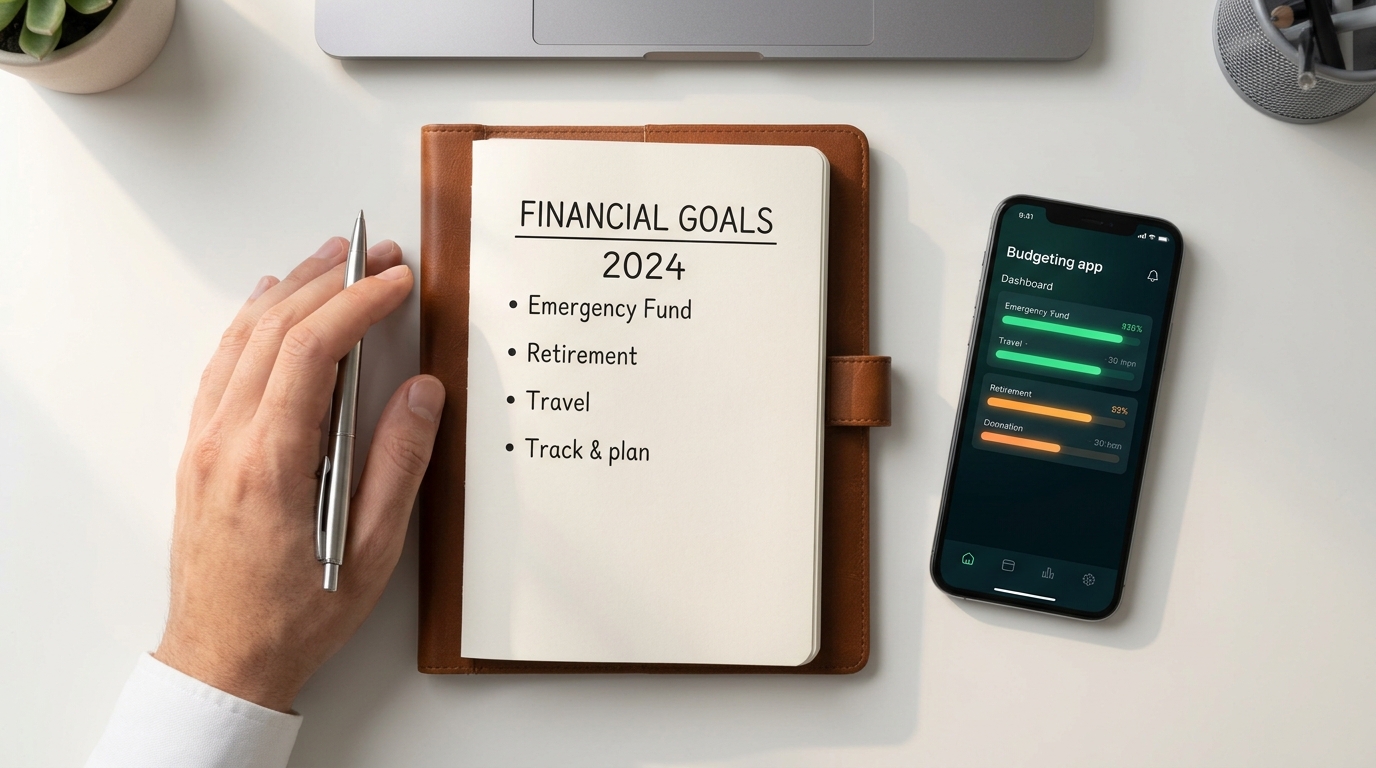
Tracking is the most important habit in budgeting. You should check your expenses daily or weekly to ensure you are staying within limits. You can use a notebook, spreadsheet, or budgeting app.
Without tracking, even the best spending plan will fail. This step ensures that your financial decisions match your plan and helps you correct mistakes early.
Step 6: Adjust and Improve Monthly
Your spending plan should not stay fixed forever. Life changes, income changes, and expenses also change. That is why you should review your plan at the end of every month.
Adjust categories if needed and improve weak areas. This flexibility is what makes a spending plan realistic and long-lasting.
Benefits of a Realistic Spending Plan
- Helps you control your money instead of wondering where it went
- Reduces financial stress and improves peace of mind
- Makes saving consistent and automatic
- Prevents unnecessary debt and overspending
- Helps you achieve financial goals faster
- Improves discipline and financial awareness
- Gives clarity about income and expenses
- Builds long-term financial stability
Disadvantages / Risks
- Requires discipline and consistency every month
- May feel restrictive at the beginning
- Unexpected expenses can disturb the plan
- Needs regular tracking, which takes time
- Can be difficult for irregular income earners
- Overly strict planning may reduce flexibility
Common Mistakes to Avoid
One common mistake is underestimating expenses. Many people forget small daily costs, which leads to inaccurate planning. Another mistake is not tracking spending regularly, which makes the plan useless.
People also often set unrealistic limits that are too strict, causing frustration and failure. Ignoring emergency savings is another big mistake that can create financial pressure during unexpected situations.
Lastly, not updating the spending plan monthly can make it outdated. A good financial system always evolves with your lifestyle.
FAQs
1. What is the main purpose of a spending plan?
The main purpose is to help you manage your income effectively by organizing expenses and savings in a structured way.
2. How is a spending plan different from a budget?
A budget is usually stricter, while a spending plan is more flexible and practical for real-life financial situations.
3. How often should I update my spending plan?
You should review and update it at least once every month to match your income and expenses.
4. Can I create a spending plan with a low income?
Yes, even low-income earners can benefit from a spending plan because it helps prioritize essentials and build savings gradually.
5. What tools can I use for tracking expenses?
You can use simple notebooks, Excel sheets, or mobile budgeting apps depending on your comfort level.
6. What happens if I overspend in one category?
You should adjust other categories or reduce unnecessary expenses in the next month to balance your plan.
Expert Tips & Bonus Points
Experts suggest always paying yourself first, which means saving before spending on wants. This habit builds strong financial discipline over time. Another tip is to automate savings so that a fixed amount is transferred automatically each month.
It is also helpful to separate accounts for savings and expenses. This reduces confusion and prevents accidental overspending. Keeping a small emergency fund is another smart strategy that protects you from financial stress.
Lastly, always keep your spending plan simple. Overcomplicating it makes it harder to follow consistently.
Conclusion
Understanding how to build a realistic spending plan is one of the most powerful steps toward financial stability. It is not just about tracking money but about building awareness and control over your financial life. When you create a structured system for income and expenses, you reduce stress and increase your ability to save and invest wisely.
A good spending plan does not restrict your life; instead, it gives you freedom by ensuring your money is used wisely. Over time, this habit builds confidence and financial independence. Even small improvements in your planning can lead to big results in the future.
Whether you are a beginner or already managing your finances, applying these steps consistently will help you achieve better control. Start simple, stay consistent, and improve every month. With patience and discipline, your spending plan can become the foundation of long-term financial success.