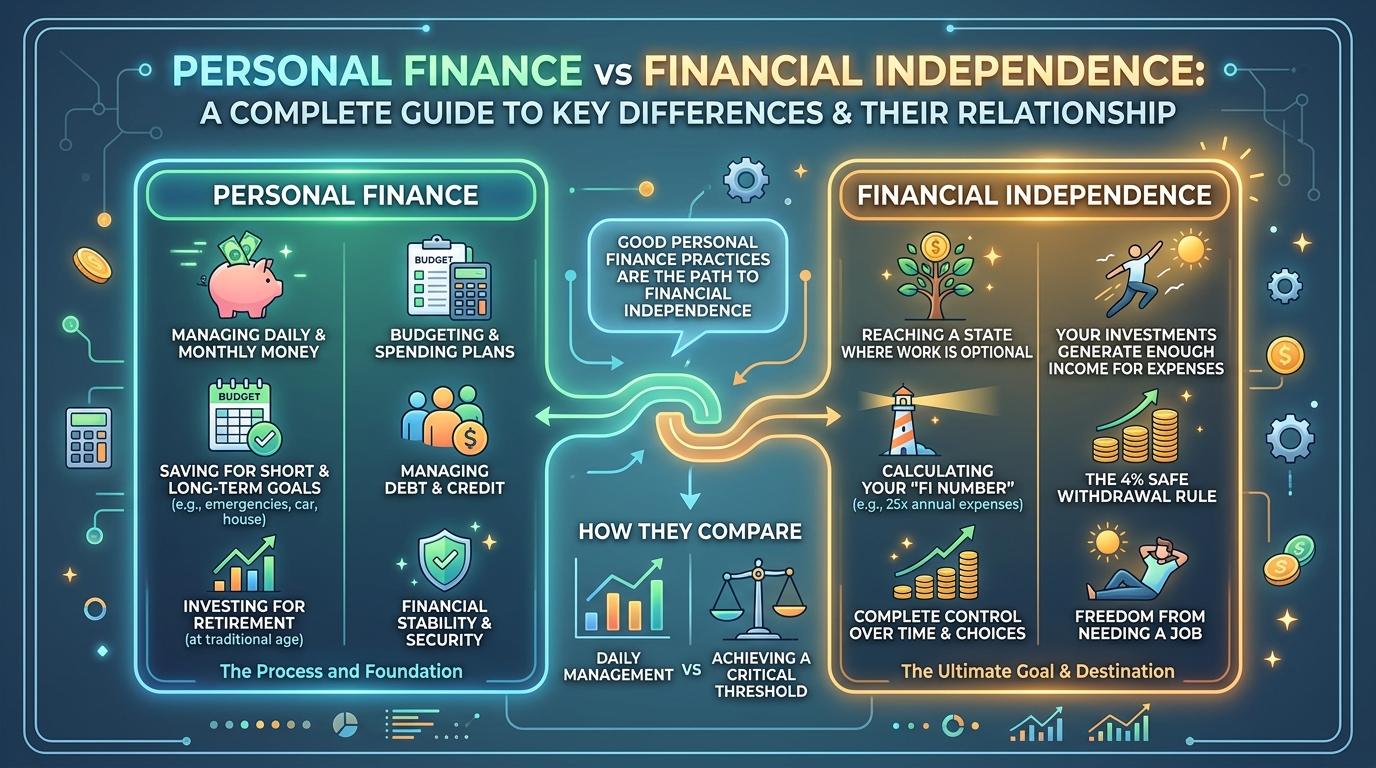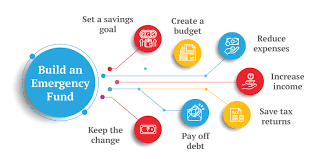

Reducing monthly expenses is one of the most practical ways to improve financial stability and increase savings without necessarily increasing income. Many people struggle financially not because they earn too little, but because their spending is not properly controlled. By understanding where money goes and making small but smart adjustments, it becomes possible to reduce unnecessary costs and build a stronger financial future.
Track Your Spending and Identify Waste
The first step in reducing monthly expenses is tracking all spending habits. Many expenses go unnoticed because they are small and frequent, such as daily snacks, subscriptions, or impulse purchases. When these are recorded, it becomes easier to see where money is being wasted.
Once spending is tracked, it is important to categorize expenses into needs and wants. Needs include essential items like rent, food, utilities, and transport, while wants include entertainment, shopping, and luxury items. This classification helps in making better financial decisions and cutting unnecessary costs.
Create a Practical Monthly Budget
A budget is a simple but powerful tool for controlling expenses. It helps allocate income into different categories so that spending remains within limits. A realistic budget ensures that essential needs are covered first before money is used for non-essential activities.
Families and individuals who follow a budget are more likely to save money consistently. It also prevents overspending by giving clear financial boundaries. A well-planned budget acts as a guide for making better daily spending decisions.
Reduce Unnecessary Subscriptions and Bills
Many people pay for services they rarely use, such as streaming platforms, mobile apps, or gym memberships. These small recurring payments can add up and increase monthly expenses significantly. Reviewing subscriptions regularly helps identify unnecessary costs.
Utility bills can also be reduced by adopting energy-saving habits. Turning off unused devices, using energy-efficient appliances, and monitoring usage can help lower electricity and water bills over time. These small changes can make a big difference in total monthly expenses.
Control Daily Spending Habits
Daily habits play a major role in overall expenses. Small purchases like eating out, coffee runs, or impulse shopping can gradually increase spending. Being mindful of these habits helps reduce unnecessary financial leakage.
Using shopping lists, setting spending limits, and avoiding emotional buying are effective ways to control daily expenses. When spending becomes intentional, it becomes easier to stay within budget and save more money.
Frequently Asked Questions
What is the best way to reduce monthly expenses
Tracking spending and creating a proper budget is the most effective method.
Do small expenses really matter
Yes, small daily expenses add up significantly over time.
How can I save money quickly
Cutting unnecessary subscriptions and reducing impulse purchases helps.
Is budgeting necessary for expense control
Yes, budgeting is essential for managing and controlling expenses effectively.
Can lifestyle changes reduce expenses
Yes, small lifestyle changes can significantly reduce monthly costs.
Conclusion
Reducing monthly expenses effectively requires awareness, planning, and disciplined financial habits. By tracking spending, creating a budget, cutting unnecessary subscriptions, and improving daily habits, anyone can gain better control over their finances. These simple but consistent changes help increase savings, reduce financial stress, and build a more stable and secure financial future.