
Introduction
An emergency fund is one of the most powerful financial safety nets you can build in life. Understanding Why Emergency Funds Are Important | A Complete Guide helps you take control of your financial future and avoid unexpected stress during difficult times. Whether it is a medical emergency, job loss, urgent car repair, or sudden household expense, having money set aside can make a huge difference in how you handle the situation.
Many people underestimate the importance of savings until they face a crisis. Without preparation, even a small financial shock can turn into a long-term debt problem. That is why financial experts always recommend building an emergency fund as a priority before investing heavily or spending on non-essential items.
In simple terms, an emergency fund is money kept aside specifically for unexpected situations. It is not for vacations, shopping, or entertainment. Instead, it is your financial cushion that protects you from borrowing money at high interest or disturbing your long-term savings goals.
In this guide, we will explore everything you need to know about emergency funds, including their importance, benefits, how to build them, and common mistakes to avoid. You will also learn practical steps that beginners and intermediate readers can easily follow to achieve financial stability and peace of mind.
What is an Emergency Fund?
An emergency fund is a dedicated amount of money saved to cover unexpected expenses. It acts as a financial backup when your regular income is disrupted or when sudden costs arise that are not part of your planned budget.
Unlike investments or long-term savings, an emergency fund is highly liquid, meaning you can access it quickly without penalties. It is usually kept in a savings account or a similar safe and easily accessible place. The main goal is not to grow wealth but to provide financial security when needed most.
For example, if your car breaks down or you face a medical emergency, you should not have to rely on credit cards or loans. Instead, your emergency fund should cover the expense immediately, preventing financial stress and debt accumulation.
Experts generally recommend saving at least 3 to 6 months of living expenses. However, the exact amount depends on your lifestyle, income stability, and personal responsibilities.
Why is an Emergency Fund Important?
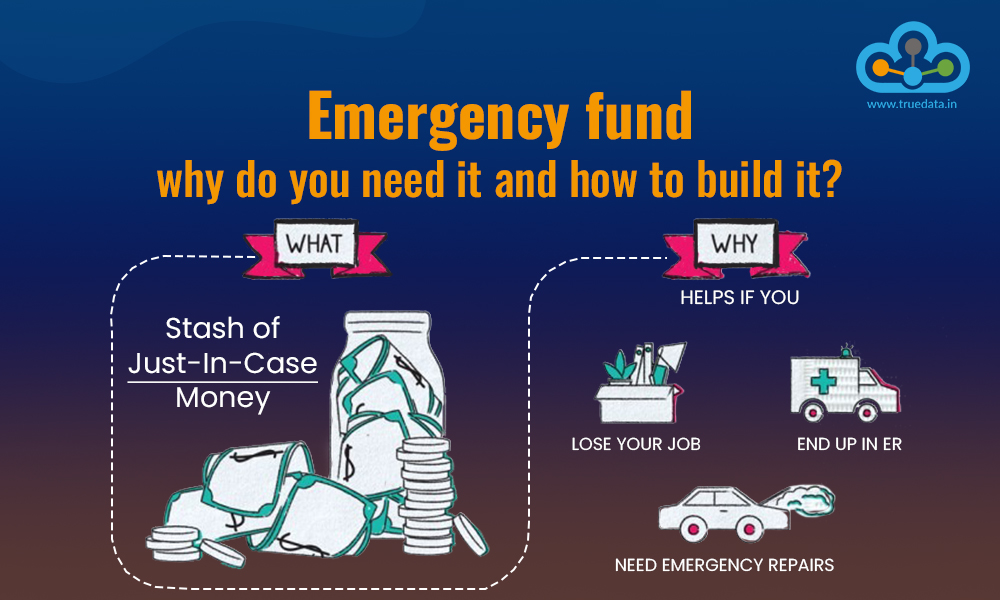
Understanding Why Emergency Funds Are Important is essential for financial planning. Life is unpredictable, and financial emergencies can occur without warning. Having a backup fund ensures that you are prepared for such situations.
One of the main reasons emergency funds are important is job security. Many people experience sudden unemployment, and without savings, they struggle to meet daily expenses. An emergency fund provides breathing space to search for a new job without panic.
Another important reason is debt prevention. Without savings, people often rely on credit cards or loans during emergencies. This leads to high interest payments and long-term financial pressure. An emergency fund helps avoid this cycle completely.
Additionally, emergency funds provide mental peace. Knowing that you have financial support during crises reduces stress and allows you to make better decisions calmly rather than emotionally.
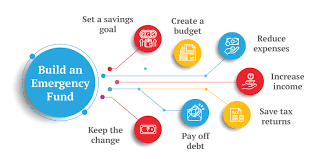
How to Build an Emergency Fund Step-by-Step
Step 1: Analyze Your Monthly Expenses
Start by calculating your essential monthly expenses such as rent, groceries, utilities, transportation, and basic needs. This helps you understand how much money you actually need to survive each month.
Once you know your monthly cost, multiply it by 3 to 6 months to set a realistic emergency fund target. This becomes your financial goal.
Step 2: Set a Monthly Saving Goal
Break your total emergency fund goal into small monthly savings targets. Instead of focusing on a large amount, aim for consistent small contributions.
Even saving a small percentage of your income every month can gradually build a strong financial cushion over time.
Step 3: Open a Separate Savings Account
Keep your emergency fund separate from your daily spending account. This reduces the temptation to use it for non-emergency purposes.
Choose a safe and accessible account where you can withdraw money quickly when needed.
Step 4: Automate Your Savings
Set up automatic transfers from your main account to your emergency fund every month. This ensures consistent saving without effort.
Automation helps you stay disciplined and builds the habit of saving regularly.
Step 5: Use Only for Real Emergencies
Be strict about using your emergency fund only for genuine emergencies. Avoid using it for shopping, travel, or unnecessary expenses.
Discipline is key to maintaining a strong financial safety net.
Benefits of Emergency Funds
- Provides financial security during unexpected situations
- Helps avoid debt and high-interest loans
- Reduces financial stress and anxiety
- Offers stability during job loss or income reduction
- Helps manage medical or urgent household expenses
- Improves financial discipline and saving habits
- Gives freedom to make better financial decisions
- Acts as a safety net for long-term financial planning
Disadvantages / Risks of Emergency Funds
- Money does not generate high returns compared to investments
- Inflation may reduce the value of savings over time
- Temptation to misuse funds for non-emergencies
- Requires discipline and consistency to build
- May take time to reach full target amount
- Opportunity cost of not investing money elsewhere
- Risk of insufficient savings if not planned properly
Common Mistakes to Avoid
One common mistake is not starting at all. Many people delay saving because they think their income is too low, but even small amounts matter.
Another mistake is using the emergency fund for planned expenses like vacations or shopping. This defeats its purpose and weakens your financial safety.
Some people also fail to replenish the fund after using it. It is important to rebuild it as soon as possible to stay protected.
FAQs
1. How much should I save in an emergency fund?
Most experts recommend saving 3 to 6 months of essential expenses. However, if your income is unstable, you may need more.
2. Where should I keep my emergency fund?
A savings account is the best option because it is safe and easily accessible when needed.
3. Can I invest my emergency fund?
No, emergency funds should not be invested in risky assets. They must remain liquid and safe.
4. What counts as a real emergency?
Medical emergencies, job loss, urgent repairs, or unexpected essential expenses are considered real emergencies.
5. Should students also have an emergency fund?
Yes, even students can save small amounts for unexpected needs like medical or educational expenses.
6. What happens if I use my emergency fund?
You should rebuild it as soon as possible by resuming regular savings.
Expert Tips & Bonus Points
Start small instead of waiting for a large income. Consistency matters more than amount. Even saving a small portion regularly builds discipline over time.
Try to reduce unnecessary expenses and redirect that money into your emergency fund. Small lifestyle changes can significantly increase your savings potential.
Avoid mixing emergency funds with investments or other savings goals. Keeping them separate ensures clarity and financial control.
Review your emergency fund annually to adjust it according to inflation and lifestyle changes.
Conclusion
Building financial stability starts with preparation, and that is exactly why understanding Why Emergency Funds Are Important | A Complete Guide is essential for everyone. An emergency fund is not just savings; it is a shield that protects you from financial uncertainty and helps you stay in control during difficult times.
Life is unpredictable, and unexpected expenses can appear when you least expect them. Without proper savings, these situations can lead to debt, stress, and long-term financial struggle. However, with a well-planned emergency fund, you gain confidence and security to handle any crisis calmly.
Whether you are a beginner or already managing your finances, starting an emergency fund should be a top priority. Even small contributions can grow into a strong financial safety net over time. The key is consistency, discipline, and commitment.
In the end, financial freedom is not just about earning more money but also about protecting what you already have. An emergency fund gives you that protection and ensures that you and your family remain financially secure no matter what challenges life brings.