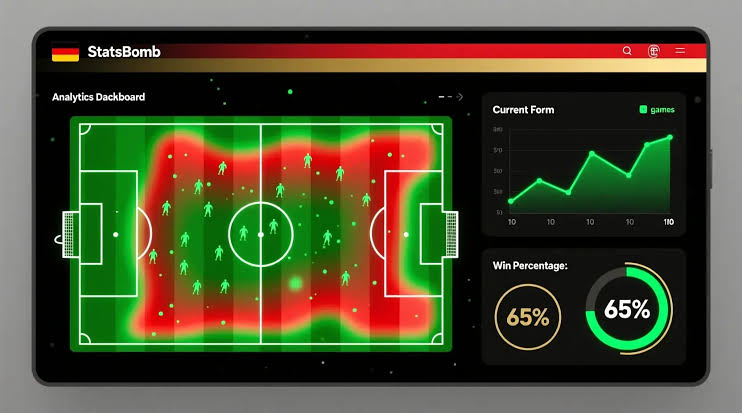

Stats apps for the 2017/2018 Bundesliga season can be far more than live score tickers; used properly, they become compact databases that shape how you read form, chances, and risk before placing a bet. By structuring what you look for and how you interpret it, you can turn raw numbers from these apps into applied pre‑match insight instead of noise.
Why Stats Apps Can Add Real Value Before You Bet
Bundesliga 2017/2018 stats apps and sites bundled together live scores, standings, head‑to‑head records, goal data, and basic shot numbers in one interface. For a bettor, that consolidation matters because it cuts the effort needed to assemble a basic picture of both teams: recent results, home/away splits, and how often games land over or under certain goal lines. When information is easier to access, you are more likely to check it systematically before each bet.
The key is that these tools deliver structured data, not just opinions. Apps and archives for the 2017/2018 season provided full fixture lists, match results, and standings that let you verify narratives—for example, whether a team is truly “strong at home” or simply riding a short streak. Used as a sanity check against your initial intuition, they reduce the chance of placing bets based on selective memory instead of the full season picture.
Choosing the Right Perspective on Stats: Data‑Driven, Not Data‑Blind
To get genuine value from stats apps, you need a clear perspective on what you are trying to answer. For pre‑match analysis, that usually means estimating team strength and likely match patterns more accurately than the average bettor. Apps that cover 2017/2018 Bundesliga standings, results, and basic performance numbers—goals for/against, shot counts, and sometimes expected goals—are raw material for that job.
A data‑driven perspective does not mean blindly trusting every metric. It means using stats to test hypotheses and refine probabilities. If your first impression is that a match will be open and high‑scoring, you can check whether both sides consistently generated above‑average goals or shots during that season. If the numbers disagree, you have a reason to rethink rather than simply push ahead. The app becomes a critical filter, not a confirmation machine.
Understanding What Typical Bundesliga 2017/2018 Apps Actually Show
Most Bundesliga 2017/2018 score and stats services clustered around a similar feature set: live scores and minute‑by‑minute events, tables, full fixture calendars, team stats, and sometimes odds comparisons. Knowing these categories helps you decide what to look at first and what to treat as secondary.
Common data blocks include recent match results, home and away records, goals scored and conceded, top scorers, and sometimes more advanced breakdowns such as shots on target or cards. For pre‑match preparation, results and goal stats provide the broad context, while shot‑based and discipline numbers refine your sense of how those results were achieved. When an app includes odds or past closing lines, it also allows you to see how teams were priced historically, which can hint at whether markets tended to over‑ or underestimate them during that season.
Turning App Data Into a Simple Pre‑Match Workflow
Numbers are most useful when processed in a consistent order. Instead of opening a stats app and scrolling randomly, you can follow a fixed workflow that moves from broad to specific measures. That structure limits the influence of eye‑catching but misleading details, like one freak 6–0 win.
A practical, app‑based workflow before betting a 2017/2018 Bundesliga match might follow these steps:
- Check the basic context: league position and recent form for both teams over 5–6 matches.
- Compare home and away records, focusing on goals scored and conceded in those roles.
- Look at goal tendencies: how often each team’s matches went over/under common lines.
- Scan team and player stats: main scorers, assists, and any anomalies in goal distribution.
- Add any available advanced metrics (shots, xG, or shot quality proxies) to judge whether results matched performance.
Interpreted as a whole, this sequence ensures that every pre‑match decision rests on a multi‑layered reading: form, role (home/away), scoring patterns, and underlying chance creation. The app becomes a checklist rather than a distraction, so the same logic is applied whether you are pricing a Bayern matchday or a mid‑table meeting.
Comparing Basic and Advanced Stats Inside Apps
Many 2017/2018 tools focused on simple statistics—goals, results, and tables—while more advanced analytics like expected goals or detailed shot breakdowns became common later or in specialized content. Both layers have distinct roles. Basic stats reflect the scoreboard; advanced metrics estimate underlying performance.
Basic measures, like total goals and goal difference, quickly spot teams that consistently outscore opponents or leak chances. However, they are heavily influenced by short‑term finishing streaks and goalkeeping. Advanced stats, particularly xG‑style measures and shot profiles, aim to strip out some of that randomness by evaluating shot quality. When an app or companion site offers even rough proxies for xG, you can check whether a team’s scoring run is supported by sustained chance creation or rests on unusually clinical finishing.
When Advanced Metrics Should Change Your Bet
Advanced metrics deserve to influence your decision when they show persistent divergence between results and underlying performance. If a 2017/2018 side won a series of matches despite being outshot or running below‑par xG difference, a stats‑savvy bettor might treat that as a warning sign that public perception—and sometimes odds—could be overly optimistic. Conversely, a team sitting low in the table but showing steady positive shot or xG figures may be a candidate for a form rebound, especially if tactical or injury circumstances are improving.
In practical terms, that means not simply marking “W” or “L” when you browse past fixtures, but checking whether those outcomes align with the teams’ chance quality trends shown in the app or associated data sources. When there is a mismatch, your pre‑match lean might shift from backing to opposing, or from strong stakes to a pass, purely because the deeper numbers suggest regression is likely.
Using Stats Apps in Combination With an Online Betting Site
In real betting sessions, you rarely stare at a stats screen in isolation; you usually move between an app and your bookmaker. Under situational conditions where you are weighing multiple possible bets on the same 2017/2018 Bundesliga card, the app’s data can act as a filter on what the online betting site offers. You might shortlist markets—1X2, Asian handicaps, or goal totals—on the bookmaker side, then cross‑check each candidate with team and match stats pulled from your chosen app.
In that workflow, some bettors preferred to treat a single sports betting service as their execution hub, precisely so that the jump between app analysis and bet placement stayed predictable. When a service such as ufabet presented clear market lists and stable Bundesliga pricing, the interaction became smoother: odds would be re‑checked after the app review, confidence adjusted if the numbers disagreed with initial impressions, and only then would the final stake be confirmed. The stats app therefore acted as a gatekeeper before any slip was committed, lowering the chance of impulsive bets based on incomplete information.
Avoiding Misuse of Stats Apps in a Multi‑Product Gambling Environment
One under‑appreciated risk is treating the presence of detailed numbers as proof that all decisions based on those numbers are automatically sharp. This risk grows when the same phone or account also provides quick routes into higher‑variance gambling products. The availability of statistics does not immunize you against over‑confidence or tilt; if anything, it can reinforce the illusion that every spontaneous decision is “backed by data.”
When those apps coexist with a broader casino ecosystem—whether embedded in a broader gambling app or next to it—it becomes important to mentally separate your pre‑match analysis workflow from any unrelated activities. Even if a casino online website offers both sports stats and non‑sports games under one brand, you can still treat the stats component as your analytical workspace and confine your betting to the football markets that genuinely fit your process. Doing so keeps the value of data intact while reducing the risk that emotional swings from other products bleed into your Bundesliga decision‑making.
Building a Pre‑Match Checklist Using App Data
Turning app usage into a short, repeatable checklist makes it easier to maintain discipline over a full season. Instead of “looking around” each time, you move through the same sequence before every bet, which both speeds up analysis and reduces selective bias.
A simple pre‑match checklist for a 2017/2018 Bundesliga fixture could be:
- Form and standings: verify each team’s last 5–6 results and league position.
- Home/away splits: check goals for/against and points won in the relevant role.
- Scoring profile: see how frequently their matches ended above or below common totals.
- Key player contributions: identify top scorers and assist providers, and note any recent absences.
- Underlying performance: where available, review shot, xG, or chance quality indicators to test whether results match underlying play.
Once you interpret this checklist consistently, your bets start to share a common analytical backbone. Over time, you can refine or reorder the steps as you learn which signals actually correlate with profitable decisions in your own record, but the central idea remains: the app provides structured checkpoints rather than random browsing.
Summary
Used deliberately, stats apps for the 2017/2018 Bundesliga season help transform pre‑match analysis from gut feel into a repeatable, data‑grounded process. Fixtures, standings, goal stats, and more advanced measures like shot profiles and xG proxies give you a layered view of team strength and match tendencies that goes beyond recent headlines. When you embed those numbers into a consistent workflow, cross‑check them against bookmaker odds, and keep them insulated from unrelated gambling distractions, the same tools most fans use for live scores become a practical edge in how you choose, size, and justify your Bundesliga bets.