
Introduction
Managing money effectively has become more important than ever in today’s fast-paced digital world. Whether you are a student, freelancer, or business owner, keeping track of your spending is the key to financial stability. This is where the concept of Top Types of Expense Tracking Tools You Can Use becomes highly valuable. These tools help you understand where your money is going, how much you are saving, and what expenses need to be controlled.
Many people struggle with budgeting simply because they do not track their expenses properly. Without proper tracking, small daily costs can turn into major financial problems over time. The Top Types of Expense Tracking Tools You Can Use provide a simple and organized way to monitor spending habits and improve financial discipline.
In this article, we will explore different types of expense tracking tools, how they work, why they are important, and how you can choose the right one for your needs. By the end, you will have a clear understanding of how to take control of your finances and make smarter money decisions in everyday life.
What is Top Types of Expense Tracking Tools You Can Use?
The Top Types of Expense Tracking Tools You Can Use refer to different digital and manual systems designed to help individuals and businesses monitor their income and expenses. These tools range from mobile apps and spreadsheets to advanced financial software that automatically tracks transactions.
In simple words, these tools act like a personal financial assistant. They record every expense, categorize spending, and provide insights into your financial behavior. This helps you see where your money is going and identify areas where you can save more effectively.
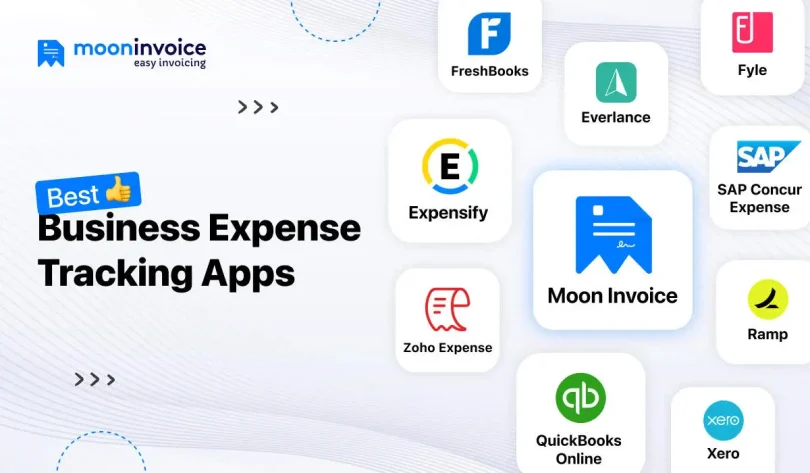
Expense tracking tools can be used for personal budgeting, business accounting, or even household expense management. Some tools are free and easy to use, while others offer advanced features like analytics, forecasting, and bank integration. The main goal of the Top Types of Expense Tracking Tools You Can Use is to bring clarity and control to your financial life.
Why is Top Types of Expense Tracking Tools You Can Use Important?
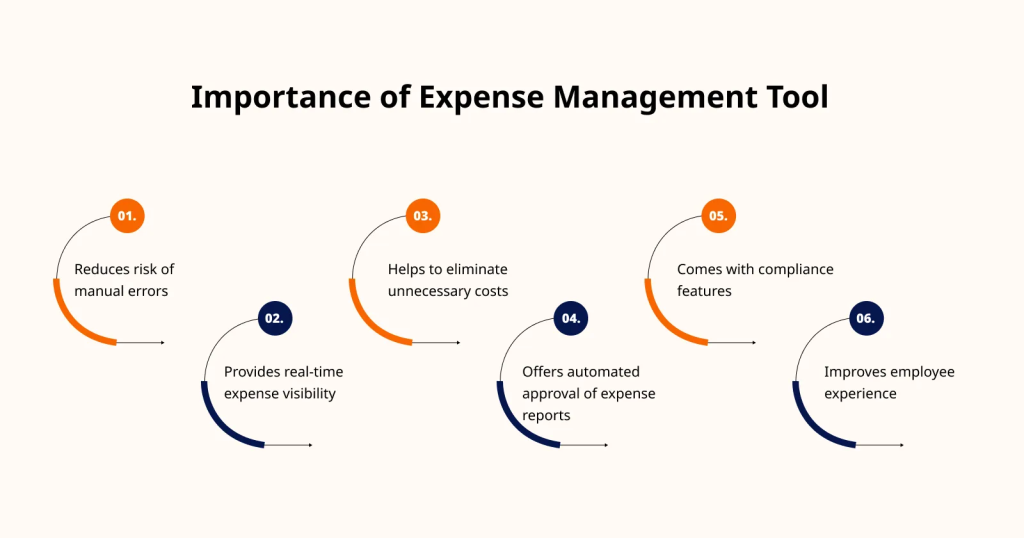
The importance of the Top Types of Expense Tracking Tools You Can Use lies in their ability to improve financial awareness. When you track your expenses regularly, you gain a better understanding of your spending habits and financial priorities.
Without proper tracking, people often overspend without realizing it. This leads to debt, poor savings, and financial stress. However, using expense tracking tools helps you create a clear picture of your income versus expenses, making budgeting much easier and more effective.
Another important reason is financial goal setting. Whether you want to save for a house, vacation, or emergency fund, these tools help you stay on track. The Top Types of Expense Tracking Tools You Can Use also help reduce unnecessary spending by showing patterns that you may not notice otherwise.
Detailed Step-by-Step Guide
1. Identify Your Financial Needs
Before choosing any tool, understand your financial goals. Are you tracking personal expenses or business costs? This step helps you select the right type from the Top Types of Expense Tracking Tools You Can Use.
2. Choose the Right Tool Type
There are several options available such as apps, spreadsheets, or software. Each tool offers different features depending on your needs and budget.
3. Set Up Your Budget Categories
Divide your expenses into categories like food, rent, transport, and entertainment. This makes tracking more organized and effective.
4. Record Daily Expenses
Make it a habit to log every expense daily. Consistency is key when using the Top Types of Expense Tracking Tools You Can Use.
5. Analyze Monthly Reports
Most tools generate reports that show spending patterns. Review them monthly to identify areas for improvement.
Benefits of Top Types of Expense Tracking Tools You Can Use
- Helps you control unnecessary spending
- Improves financial awareness and discipline
- Makes budgeting simple and structured
- Assists in achieving financial goals faster
- Reduces chances of debt and overspending
- Provides clear financial reports and insights
- Saves time compared to manual tracking
Disadvantages / Risks
- Some tools may require paid subscriptions
- Over-dependence on apps can reduce manual financial understanding
- Data privacy concerns in online tools
- Learning curve for advanced software
- Inaccurate entries can lead to wrong analysis
Common Mistakes to Avoid
One of the biggest mistakes people make is inconsistency. Many users start using expense tracking tools but stop after a few days. Without regular updates, the data becomes useless.
Another mistake is ignoring small expenses. Even minor daily spending can add up significantly over time. Always record everything, no matter how small it is.
Some users also choose overly complex tools that they cannot understand. It is better to start simple and gradually move to advanced versions of the Top Types of Expense Tracking Tools You Can Use.
Lastly, failing to review reports regularly is a common issue. Tracking alone is not enough; analysis is equally important for financial improvement.
FAQs
1. What are expense tracking tools used for?
Expense tracking tools are used to record, monitor, and analyze spending habits. They help individuals and businesses manage money more effectively.
2. Are expense tracking tools free?
Many basic tools are free, but advanced versions may require a subscription for extra features like analytics and reports.
3. Which is the best type of expense tracking tool?
The best tool depends on your needs. Beginners often prefer mobile apps, while businesses may use accounting software.
4. Can I use spreadsheets for expense tracking?
Yes, spreadsheets are one of the simplest forms of the Top Types of Expense Tracking Tools You Can Use and are highly customizable.
5. Do these tools help in saving money?
Yes, they help identify unnecessary expenses, making it easier to reduce spending and increase savings.
6. Are expense tracking apps safe?
Most popular apps use encryption and security features, but it is always important to choose trusted platforms.
Expert Tips & Bonus Points
Consistency is the most important factor when using the Top Types of Expense Tracking Tools You Can Use. Make it a daily habit instead of a weekly or monthly task. Small consistent actions lead to better financial control.
It is also recommended to review your spending patterns at the end of every month. This helps you adjust your budget and improve future planning. Another useful tip is to set financial goals inside your tracking tool, which keeps you motivated and focused.
Finally, do not rely only on technology. Combine digital tools with personal financial awareness for the best results.
Conclusion
Managing money effectively is not just about earning more, but about spending wisely. The Top Types of Expense Tracking Tools You Can Use play a crucial role in helping individuals and businesses maintain financial stability and discipline. These tools simplify budgeting, improve awareness, and provide valuable insights into spending habits.
Whether you choose a simple spreadsheet, a mobile app, or advanced financial software, the key is consistency and proper usage. By regularly tracking your expenses, you can identify wasteful spending and take better control of your financial future.
In the long run, using the Top Types of Expense Tracking Tools You Can Use will help you build better saving habits, achieve financial goals faster, and reduce unnecessary stress related to money management. Financial success starts with awareness, and these tools are the first step toward achieving it.