
Most budgets fail not because the math is wrong but because they ignore how people actually live, which is why personal budget planning has to start with your real spending instead of an ideal version of it. Personal budget planning is simply giving every dollar a job before the month begins, based on what you truly earn and truly spend. When the plan matches reality, it stops feeling like a punishment and starts working like a map. This guide shows how to build a budget from your actual numbers, how to handle irregular expenses, and how to keep the system alive after the first enthusiastic month fades.
Start With Your Real Numbers
Pull the last three months of bank and card statements and sort every expense into a handful of groups: housing, food, transport, debt payments, insurance, fun, and everything else. Three months matters because a single month hides the quarterly bill, the annual subscription, and the birthday season. Most people discover their food and convenience spending is noticeably higher than their guess, and that gap between guess and truth is exactly where budgets go to die.
Write your true monthly take-home pay at the top. If your income varies, use the lowest of the last three months as your planning figure and treat anything above it as a bonus to assign later. A budget built on your best month collapses in your worst one, while a budget built on your worst month gets pleasantly easier the rest of the time.
The Simple Framework That Holds It Together
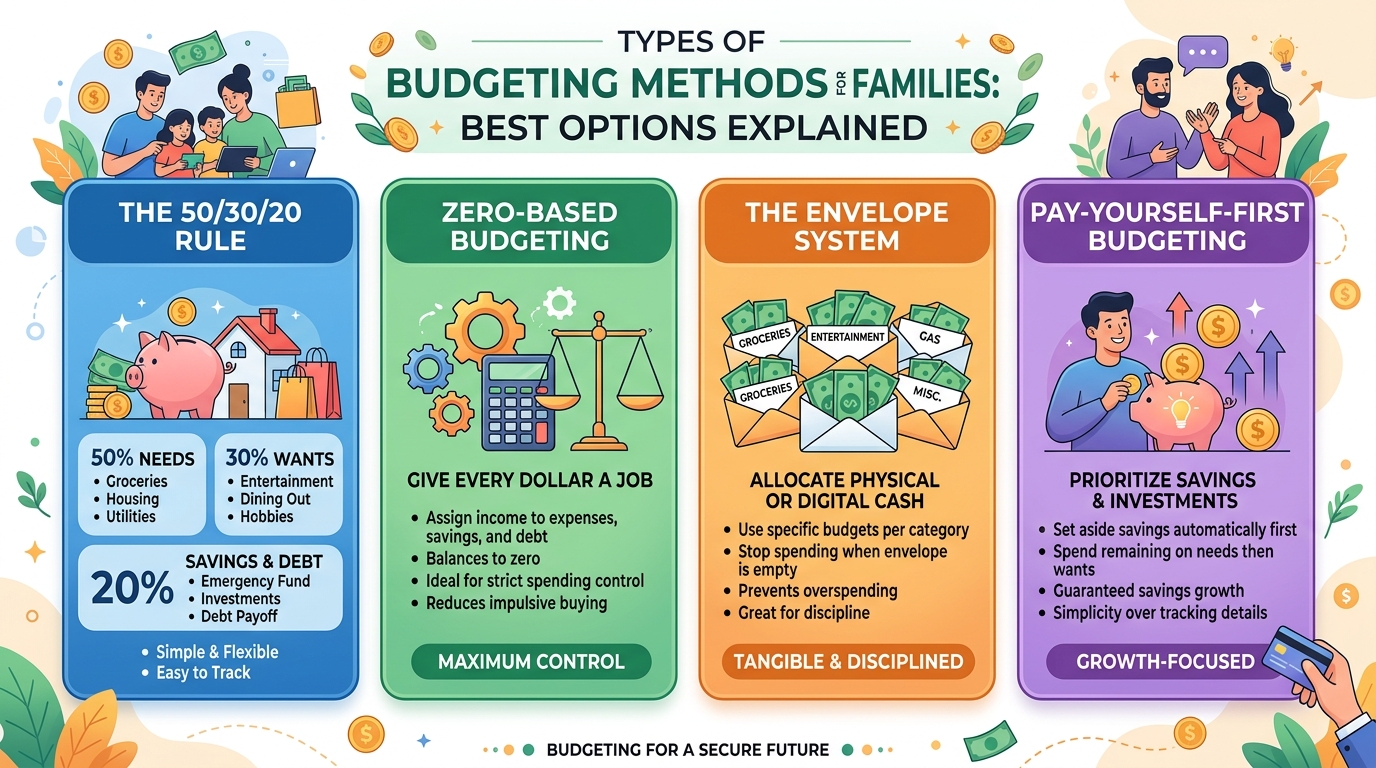
A popular starting structure divides after-tax income into needs, wants, and savings — roughly half for essentials, a third for lifestyle, and a fifth for savings and extra debt payments. Treat the percentages as a compass, not a law. High-rent cities bend the needs share upward, and aggressive debt payoff bends the wants share down for a season. What matters in personal budget planning is that the three buckets exist and every expense knows which one it belongs to.
Give savings the same status as a bill. The moment income lands, move the planned amount to a separate account automatically. Money left sitting in checking, waiting for a decision, almost always gets spent. Money moved on payday quietly becomes untouchable.
Planning for Irregular Expenses
Car repairs, annual insurance premiums, holiday spending, and school costs are not surprises; they are irregular certainties. List every expense that hits less often than monthly, total the yearly cost, divide by twelve, and save that amount monthly into a sinking fund. When the bill arrives, it is already paid for, and your monthly budget never takes the hit.
Insurance deserves a deliberate line of its own rather than being buried in housing costs. Whether it is a car policy or cover for a property you own, understanding exactly what your policy protects — the way this guide to block of flats insurance and the cover you may need explains one specialist case — helps you budget the right premium instead of discovering gaps after something goes wrong.
Budgeting for the Future, Not Just the Month
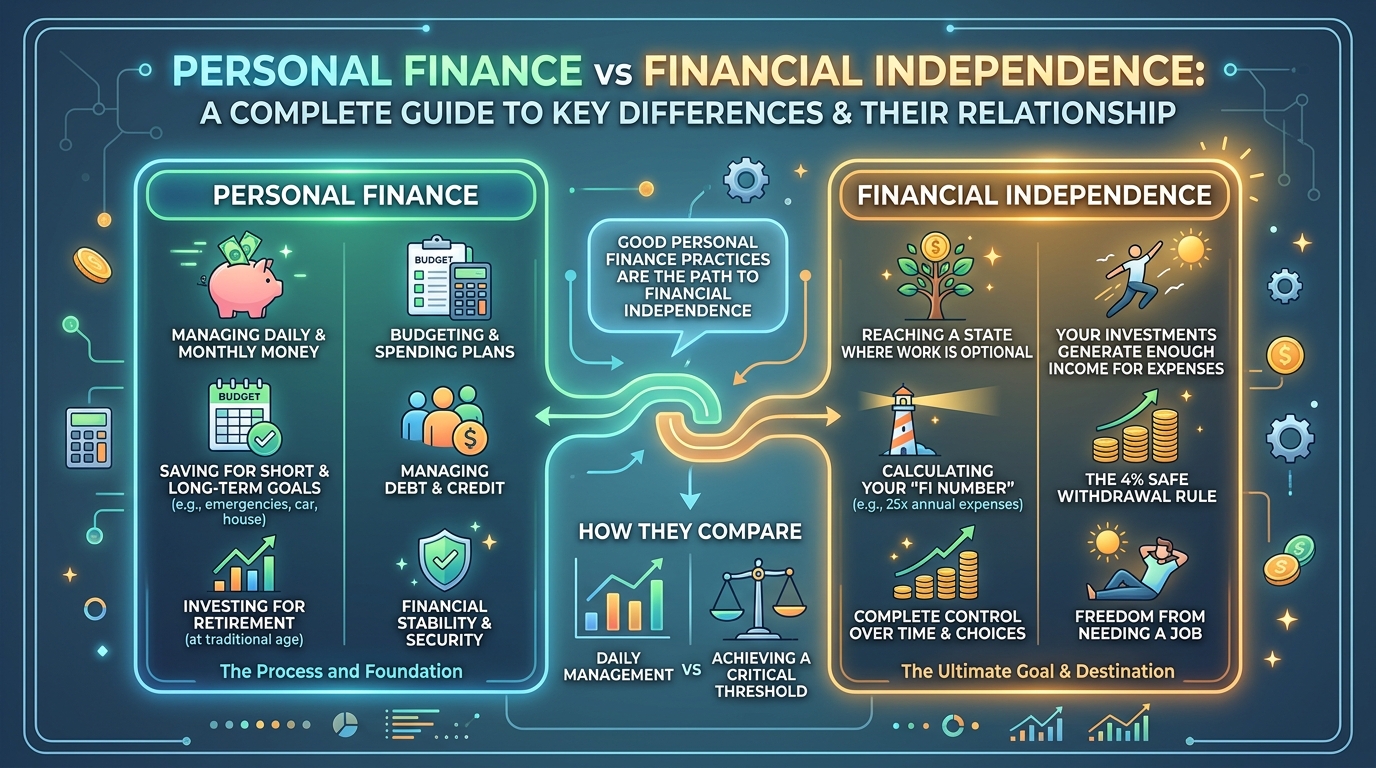
A budget that only survives the current month is half a plan. Add a line for long-term goals even if it starts tiny: retirement contributions first, because time in the market is the one ingredient you cannot buy back later. Playing with a Roth IRA calculator to estimate your future retirement savings growth is a motivating way to see what even a modest monthly amount becomes over thirty years, and it turns an abstract goal into a number your budget can aim at.
Shorter goals belong here too: a holiday fund, a course that raises your income, or the deposit on a better home. Naming goals inside the budget gives your restraint a purpose, and people stick to plans with purposes far longer than plans built on guilt.
A Worked Example: One Household, One Month
Consider a household taking home 3,800 a month. Housing and utilities take 1,450, groceries 520, transport 310, minimum debt payments 260, insurance 180, and subscriptions 90 — a needs total of roughly 2,810 before any fun exists. That leaves just under 1,000 for wants and savings combined, which feels tight until the sinking funds are counted honestly: 120 a month covers the annual car service, holiday gifts, and the home insurance renewal that used to ambush December. The plan that emerges — 550 to wants, 300 to savings, the rest as buffer — is not luxurious, but it is honest, and honest plans survive.
The lesson of the example is that personal budget planning rarely fails on totals; it fails on the expenses nobody wrote down. Once every irregular cost had a monthly line, the same income that felt chaotic for years became manageable in a single month, without earning a cent more.
The Weekly Check-In That Keeps It Alive
Personal budget planning is a habit, not an event. Spend ten minutes once a week comparing planned spending with actual spending while the month can still be corrected. Overspent on dining by Wednesday? Shift money from a lower-priority bucket deliberately rather than pretending it did not happen. Budgets fail silently when nobody looks at them; they bend usefully when somebody does.
At the end of each month, do a five-minute review: which categories surprised you, which targets were unrealistic, and what changes next month. Expect the first two or three budgets to be noticeably wrong. That is calibration, not failure. By the fourth month, most people find the plan matches their life closely enough to run almost on autopilot.
When the Budget Feels Too Tight
If the numbers genuinely do not fit, the honest levers are only three: reduce a fixed cost, increase income, or extend the timeline of a goal. Fixed costs give the biggest wins — renegotiating a bill, refinancing a loan, or changing a housing arrangement frees money every single month, unlike skipping coffees. And remember that a season of tightness for a clear goal, like clearing a card or building a starter emergency fund, is very different from permanent deprivation.
Good personal budget planning also survives imperfect months. Travel, illness, and celebration will bend the numbers; the review habit bends them back. What it cannot survive is being abandoned at the first surprise, so treat every deviation as data for next month rather than evidence of failure.
Personal budget planning works when it describes your life as it is and steers it gently toward where you want it to be. Build it from real numbers, automate the savings, review it weekly, and let small corrections compound into control.